Every day, millions of posts are shared on social media. Some posts receive only a few likes, while others suddenly spread everywhere and reach thousands or even millions of people. When content spreads quickly across the internet, we often call it viral content.
But what makes a post go viral? Is it just luck, or is there something deeper behind it?
The truth is that viral content is often connected to human psychology. People share content when it makes them feel something, teaches them something valuable, or helps them connect with others.
Understanding the psychology behind viral content can help brands, creators, and businesses create posts that people genuinely want to share.

What Does “Viral Content” Mean?
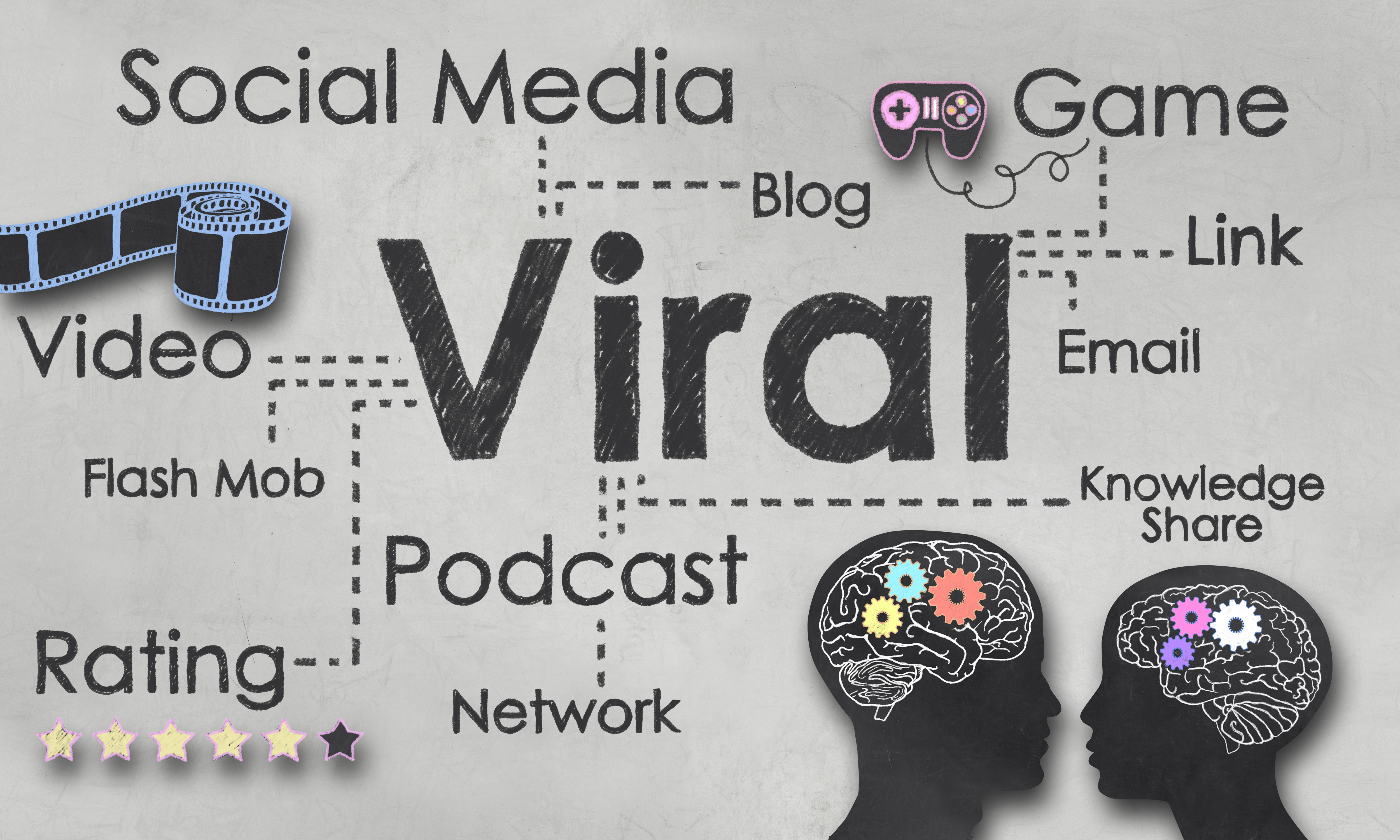
Viral content refers to posts that spread rapidly across social media platforms because many people are sharing them.
When content goes viral, it receives large amounts of:
- Likes
- Comments
- Shares
- Views
Platforms like Instagram, TikTok, and YouTube often show viral content to more users because it is receiving strong engagement.
But behind every viral post, there is usually a psychological reason why people feel motivated to share it.
Emotion Plays a Big Role
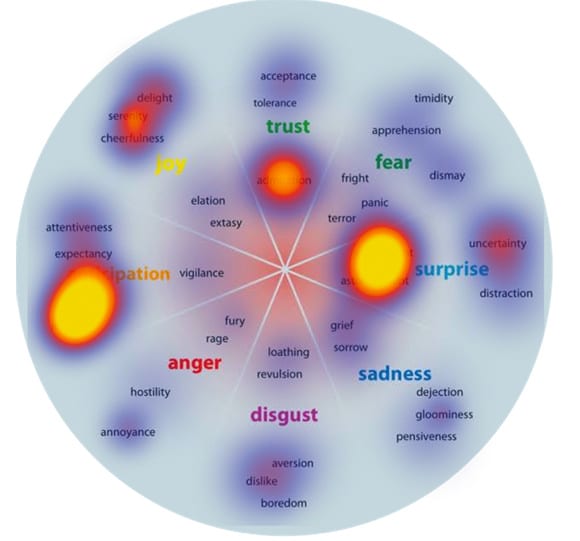
One of the most important factors behind viral content is emotion.
People are more likely to share content that makes them feel something strong. This emotion can be positive or negative.
Common emotions that drive sharing include:
- Happiness
- Surprise
- Inspiration
- Humor
- Excitement
For example, a funny video that makes people laugh is often shared with friends because people enjoy spreading joy.
Similarly, an inspiring story may motivate people to share it because it makes them feel hopeful or motivated.
Content that triggers emotion creates a stronger reaction, which increases the chances that people will share it.
People Share Content That Reflects Their Identity
Another psychological reason behind viral content is self-expression.
People often share posts that represent who they are or what they believe in. Sharing content helps them express their personality, opinions, and interests.
For example, someone who cares about environmental issues might share posts related to sustainability. Someone who enjoys humor may share funny memes.
By sharing content, people show others what matters to them.
This is why relatable content often spreads quickly. When people see something that reflects their thoughts or experiences, they feel motivated to share it.
.webp)
Social Connection and Belonging
Humans naturally want to connect with others. Social media allows people to stay connected with friends, family, and communities.
Sharing content is one way people strengthen these connections.
For example, someone might share a funny video with friends because they know it will make them laugh. Others may share motivational posts to encourage their community.
When content helps people feel connected or part of a group, it becomes more shareable.
This sense of belonging is a powerful psychological factor behind viral content.

The Element of Surprise
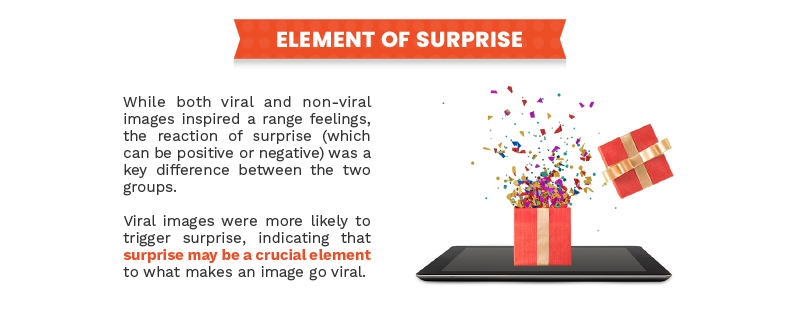
Surprising or unexpected content often performs very well on social media.
When people see something unusual or surprising, it captures their attention immediately. They may feel curious or excited about what they just watched or read.
This curiosity encourages people to share the content so others can experience the same surprise.
For example, a creative video with an unexpected ending often gets shared widely because viewers want their friends to see the surprising moment.
Surprise keeps people interested and increases the chances of sharing.
Easy-to-Understand Content Spreads Faster
Another psychological factor behind viral content is simplicity.
Content that is easy to understand spreads faster because people can quickly process the message.
If a post is complicated or confusing, people may scroll past it. But if the message is clear and simple, viewers can instantly understand it and decide whether to share it.
Short videos, simple graphics, and clear messages are more likely to go viral because they require less effort from the audience.
This is one reason why short-form videos are becoming so popular.

Relatability Encourages Sharing
People love content that reflects real-life experiences.
Relatable posts make people think, “This is exactly what happens to me.”
This type of content often receives many shares because viewers want others to relate to it as well.
Examples of relatable content include:
- Everyday struggles
- Funny workplace situations
- Common social experiences
- Student life moments
When people feel understood by a piece of content, they are more likely to share it with their friends or followers.

Timing Can Influence Virality
Timing is another factor that can affect whether content becomes viral.
Posts related to current events, trends, or popular topics often receive more attention.
When content connects with something people are already talking about, it becomes more relevant and shareable.
For example, content related to trending challenges or cultural moments can quickly gain visibility.
However, timing alone is not enough. The content still needs to be interesting and emotionally engaging.
Visual Appeal Matters
The human brain processes visual content much faster than text. This is why images and videos often perform better than plain text posts.
Eye-catching visuals grab attention while people scroll through social media feeds.
Bright colors, interesting designs, and engaging video clips make viewers stop and watch.
Once a viewer stops scrolling, the chances of engagement and sharing increase.

Authenticity Builds Trust
People are more likely to share content that feels authentic and genuine.
Content that appears overly promotional or artificial may not connect well with audiences.
Authentic stories, real experiences, and honest messages feel more relatable.
When viewers believe that content is genuine, they are more willing to share it with others.
Authenticity creates trust, and trust encourages sharing.

Conclusion
Viral content may sometimes appear unpredictable, but it is often influenced by human psychology.
People share content that makes them feel strong emotions, reflects their identity, connects them with others, or surprises them in interesting ways.
Simple, relatable, and visually engaging content is also more likely to spread quickly across social media platforms.
For brands and creators, understanding these psychological factors can help improve their content strategies.
However, it is important to remember that virality should not be the only goal. Creating meaningful and valuable content should always come first.
When content genuinely connects with people, the chances of it becoming viral naturally increase.
In the end, viral content is not just about reaching many people—it is about creating moments that people feel excited to share with others.