In today’s digital world, social media plays a major role in how people discover brands and products. Many businesses are now using influencer marketing to promote their products and services. Instead of relying only on traditional advertisements, brands collaborate with influencers who already have a loyal audience.
But an important question still remains: Is influencer marketing really worth the investment?
For some brands, influencer marketing has brought amazing results. For others, it has not worked as expected. The truth is that influencer marketing can be very effective, but only when it is done in the right way.
Let’s explore what influencer marketing is, why brands are investing in it, and whether it is truly worth the money.

What Is Influencer Marketing?
Influencer marketing is a type of marketing where brands collaborate with people who have a strong presence on social media. These people are known as influencers because their opinions and recommendations can influence their followers.
Influencers usually create content such as photos, videos, reviews, or tutorials where they mention or showcase a brand’s product.
Many influencers build their audiences on platforms like Instagram, YouTube, and TikTok.
Because followers trust influencers, their recommendations often feel more genuine than traditional advertisements.
Why Brands Are Investing in Influencer Marketing
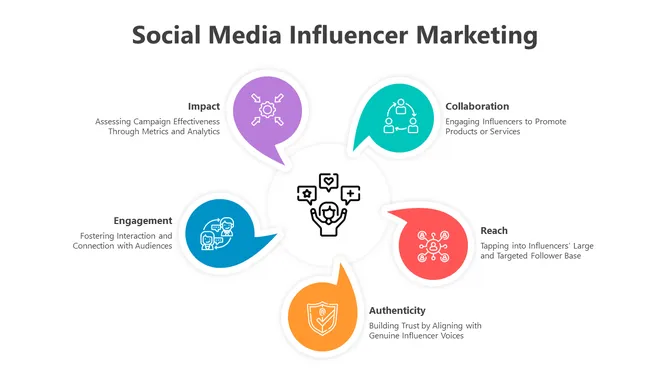
Influencer marketing has become popular because it allows brands to reach audiences in a more natural way.
Instead of directly promoting a product through advertisements, brands allow influencers to introduce the product through their personal content.
This approach works well because audiences usually trust influencers they follow regularly. When influencers talk about a product they like, it feels more like a recommendation than a sales message.
Brands also benefit from the influencer’s existing audience. This helps them reach potential customers who may not have discovered the brand otherwise.

The Power of Trust and Authenticity
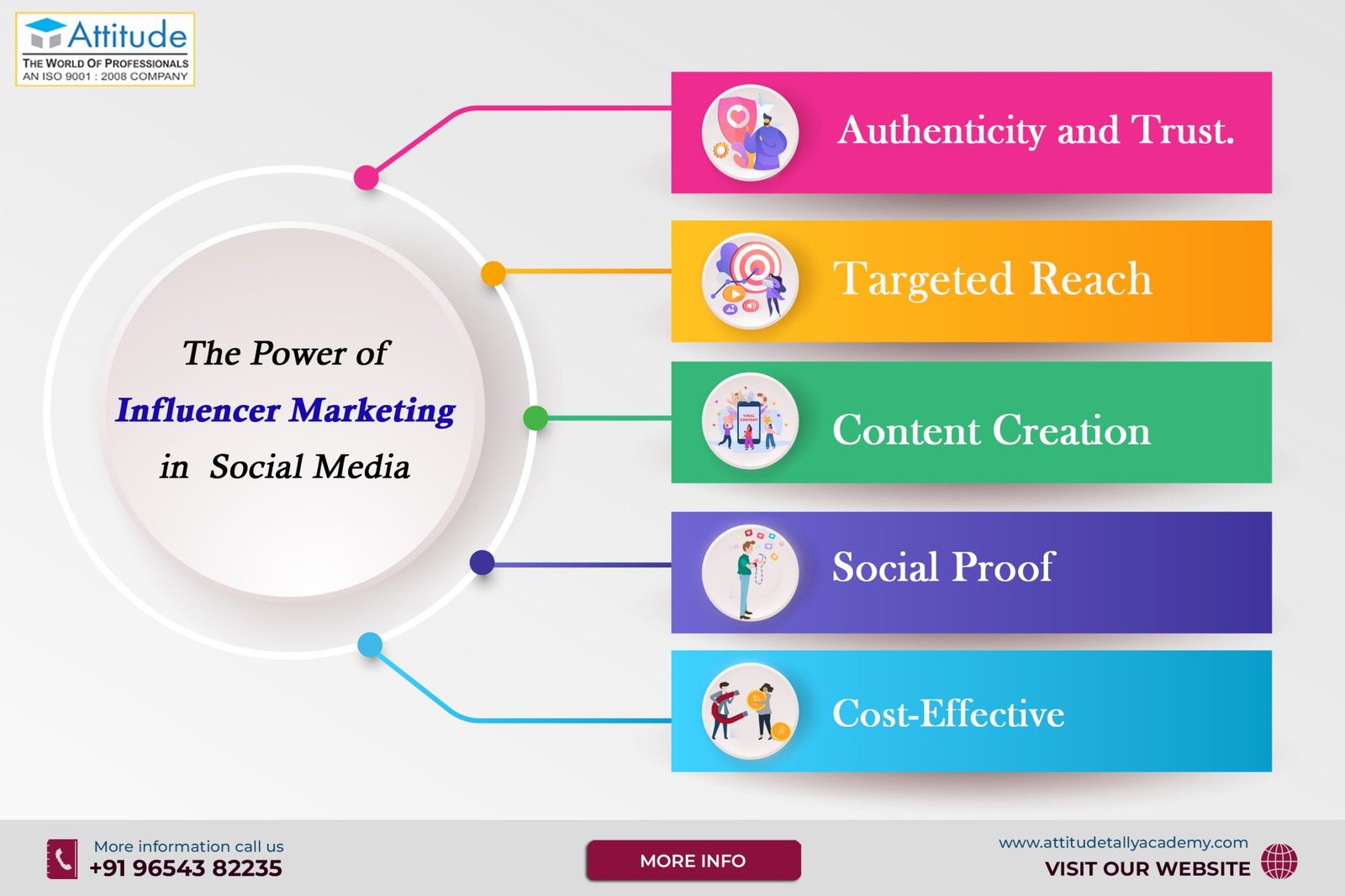
One of the biggest advantages of influencer marketing is trust.
People often trust recommendations from real individuals more than advertisements from companies. Influencers usually share personal experiences with products, which makes their content feel authentic.
For example, when an influencer shows how they use a product in their daily routine, followers can easily imagine themselves using it too.
This authenticity helps brands build stronger connections with potential customers.
However, trust can only be maintained if influencers promote products that genuinely match their personality and audience.
Different Types of Influencers
Not all influencers have the same type of audience or influence. Influencers are usually categorized based on their follower count.
Mega Influencers
These influencers have millions of followers and are often celebrities or well-known public figures. They can provide huge visibility but may also be very expensive.

Macro Influencers
Macro influencers have large audiences, usually in the hundreds of thousands. They often specialize in specific areas such as fashion, fitness, or technology.
Micro Influencers
Micro influencers have smaller audiences, but their followers are often highly engaged. Their content usually feels more personal and relatable.

Nano Influencers
Nano influencers have very small but loyal communities. They often have strong relationships with their followers, which can lead to high trust and engagement.
Many brands now prefer working with micro or nano influencers because their audiences are more engaged.

Benefits of Influencer Marketing
Influencer marketing offers several benefits when done properly.
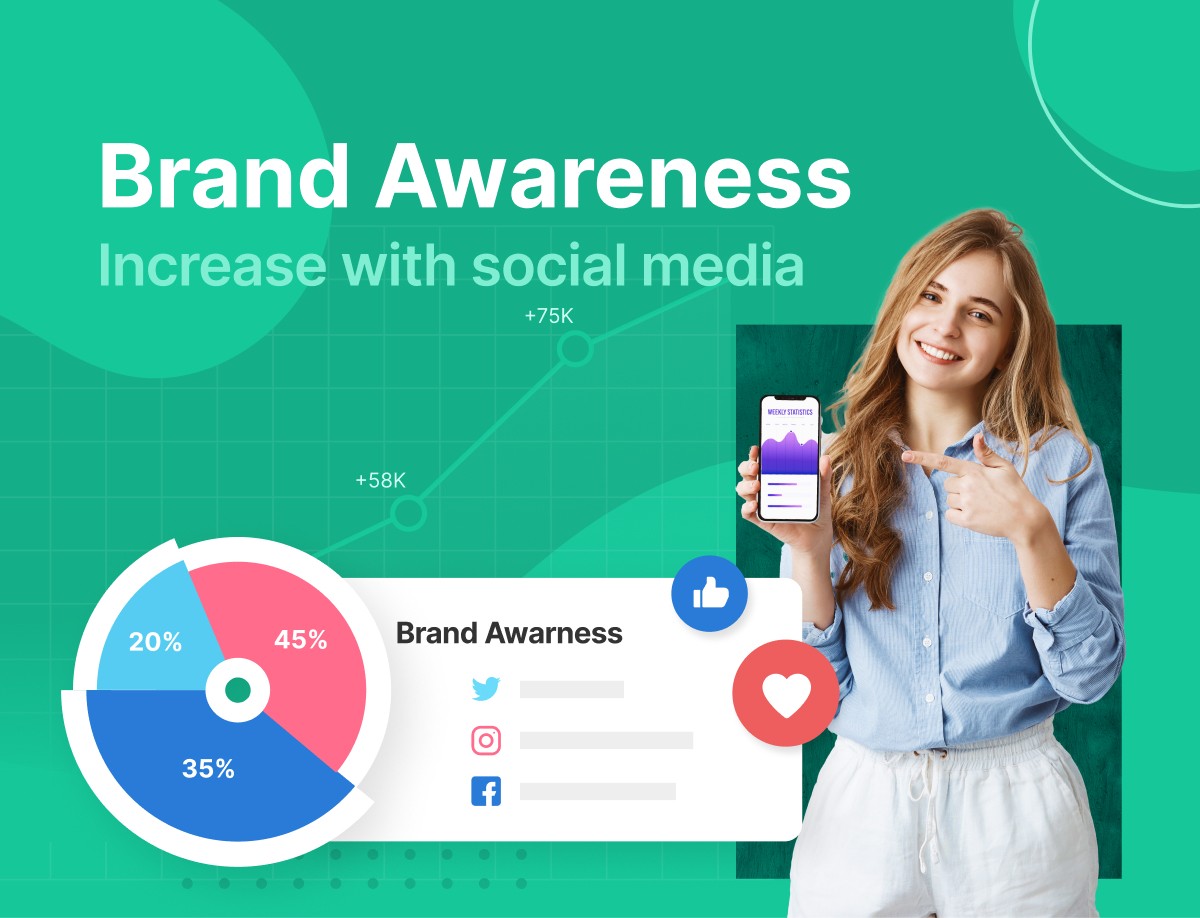
Better Brand Awareness
Influencers help introduce brands to new audiences who may not have heard about them before.
Increased Trust
Recommendations from influencers feel more genuine compared to traditional advertisements.

Higher Engagement
Influencer content often receives more likes, comments, and shares because followers feel connected to the influencer.

Targeted Audience
Brands can work with influencers whose audience matches their ideal customers.
These advantages make influencer marketing an attractive option for many businesses.

Challenges of Influencer Marketing
While influencer marketing offers many benefits, it also has some challenges.
High Costs
Working with popular influencers can be expensive, especially for small businesses.
Fake Followers
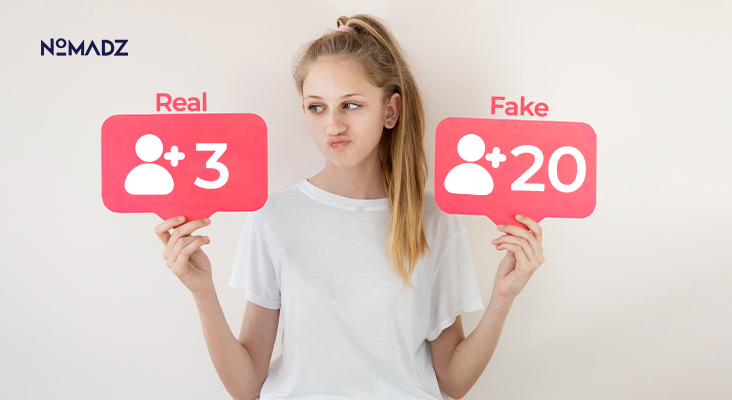
Some influencers may have fake followers or low engagement, which means the promotion may not reach real potential customers.
Mismatched Audience
If the influencer’s audience does not match the brand’s target market, the campaign may not perform well.

Over-Promotion
If influencers promote too many products, followers may start feeling that the recommendations are not genuine.
Because of these challenges, brands need to carefully select the right influencers.

How Brands Can Make Influencer Marketing Work
To get the best results from influencer marketing, brands need a clear strategy.
Choose the Right Influencer
The influencer’s audience should match the brand’s target customers.

Focus on Authentic Content
Influencers should have the freedom to present the product in their own style. This keeps the content natural and relatable.

Set Clear Goals
Brands should know what they want from the campaign, such as brand awareness, website traffic, or product sales.

Measure Results
It is important to track metrics like engagement, clicks, and conversions to understand whether the campaign was successful.
By following these steps, brands can improve the effectiveness of influencer marketing campaigns.

Influencer Marketing vs Traditional Advertising
Traditional advertising often interrupts people while they are watching or reading something. Influencer marketing, on the other hand, blends naturally into the content people already enjoy.
Instead of feeling like an advertisement, influencer promotions often feel like a friendly recommendation.
This is why influencer marketing can sometimes achieve better engagement than traditional ads.
However, influencer marketing should be seen as part of a larger marketing strategy rather than the only promotional method.

Is Influencer Marketing Worth the Investment?
The answer depends on how it is used.
If brands choose the right influencers, create authentic campaigns, and focus on long-term relationships, influencer marketing can deliver strong results.
But if brands only focus on follower numbers without studying engagement or audience relevance, the investment may not bring the expected benefits.
In simple words, influencer marketing works best when it focuses on genuine connections rather than quick promotions.

Conclusion
Influencer marketing has become one of the most powerful tools in modern digital marketing. It allows brands to reach audiences through trusted voices and create more relatable promotions.
However, success in influencer marketing requires careful planning, the right partnerships, and a focus on authenticity.
When done correctly, influencer marketing can help brands increase awareness, build trust, and connect with customers in meaningful ways.
So, is influencer marketing worth the investment?
For many brands, the answer is yes—but only when it is used strategically and thoughtfully.