Social media has completely changed the way businesses connect with customers. Earlier, large companies had an advantage because they could spend more money on advertisements. But today, social media has created a level playing field where even small businesses can compete with bigger brands.
With the right strategy, creativity, and consistency, small businesses can build strong relationships with their audience and grow their brand online.
The good news is that winning on social media does not always require a huge budget. What it requires is understanding your audience and creating meaningful content.
Let’s explore how small businesses can succeed on social media.

Understand Your Target Audience
The first step for any small business on social media is to understand who their audience is. Posting random content without knowing who you are speaking to rarely brings good results.
Think about questions like:
- Who are your customers?
- What problems do they face?
- What kind of content do they enjoy?
- Which social media platforms do they use the most?
When businesses clearly understand their audience, they can create content that speaks directly to their needs and interests.
For example, a local bakery may share recipes, behind-the-scenes baking videos, or customer celebrations. This kind of content naturally connects with people who enjoy food and bakery products.

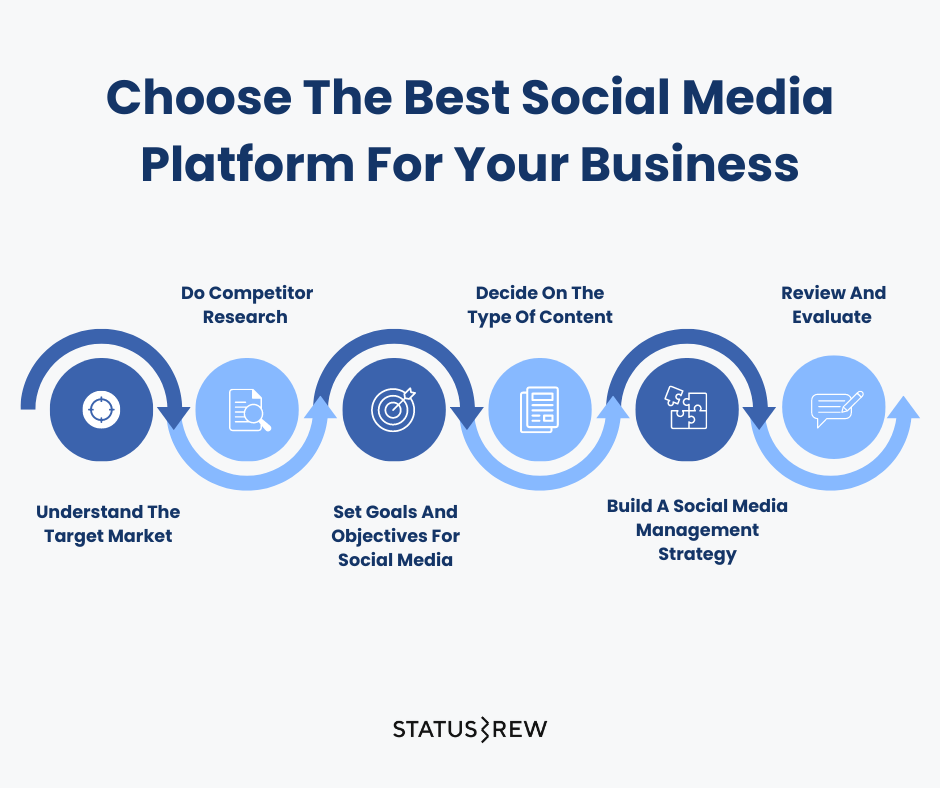
Choose the Right Social Media Platforms
Many small businesses make the mistake of trying to be present on every social media platform. This can be overwhelming and difficult to manage.
Instead, it is better to focus on a few platforms where your audience is most active.
Platforms like Instagram and Facebook are popular for local businesses because they allow brands to share photos, videos, and updates easily. For professional services, platforms like LinkedIn can also be useful.
By focusing on the right platforms, small businesses can spend their time and effort more effectively.
Create Valuable and Engaging Content
Content is the heart of social media marketing. Businesses that share helpful, interesting, or entertaining content are more likely to attract attention.
Small businesses can create content such as:
- Tips related to their industry
- Product demonstrations
- Customer testimonials
- Behind-the-scenes moments
- Educational posts
- Short videos explaining their services
The goal should not always be to sell. Instead, businesses should focus on providing value to their audience.
When people find the content useful or enjoyable, they are more likely to follow the brand and engage with its posts.

Be Consistent With Posting
Consistency plays an important role in social media success. Posting regularly helps businesses stay visible in their audience’s feed.
This does not mean posting every hour. Instead, businesses should create a realistic posting schedule that they can maintain.
For example, posting three or four times a week is often enough for small businesses.
Consistency helps build familiarity. When people see your brand regularly, they start recognizing and remembering it.

Show the Human Side of the Brand
One of the biggest advantages small businesses have over large companies is their personal connection with customers.
Small businesses can use social media to show the human side of their brand.
They can share:
- Stories about how the business started
- Behind-the-scenes moments
- Team members and their roles
- Daily work activities
- Customer interactions
This type of content helps build trust because people enjoy connecting with real stories and real people.
When a brand feels human and relatable, customers are more likely to support it.

Engage With Your Audience
Social media is not only about posting content. It is also about building conversations.
Small businesses should actively interact with their audience by:
- Replying to comments
- Responding to messages
- Asking questions in captions
- Thanking customers for their feedback
These interactions show that the business values its audience.
Engagement also helps build a loyal community around the brand.

Use Customer Feedback and Reviews
Customer reviews are extremely powerful for small businesses. Positive reviews help build trust and encourage new customers to try the product or service.
Businesses can share customer feedback on their social media pages as:
- Screenshots of reviews
- Customer testimonials
- Photos of customers using the product
- Short video reviews
When potential customers see real people sharing positive experiences, it increases their confidence in the brand.

Collaborate With Local Creators and Influencers
Small businesses can also grow by collaborating with local influencers or content creators.
These creators already have an audience that trusts them. When they talk about a small business, their followers may become interested in trying the product or service.
These collaborations do not always need to be expensive. Sometimes, small businesses work with creators by offering free products or services in exchange for promotion.
This approach can help businesses reach new audiences.

Use Social Media Insights and Data
Most social media platforms provide useful data about content performance.
Businesses can see information such as:
- Which posts receive the most engagement
- When followers are most active
- What type of content performs best
By studying this information, businesses can understand what their audience likes and improve their content strategy.
This data helps small businesses make smarter decisions rather than relying on guesswork.

Stay Updated With Trends
Social media trends change quickly. New content styles, formats, and features appear regularly.
Small businesses should stay updated with trends such as:
- Short-form videos
- Interactive posts
- Story features
- Live sessions
Trying new formats can help businesses keep their content fresh and interesting.
However, it is important to follow trends that match the brand’s identity and audience preferences.

Focus on Long-Term Growth
Social media success does not happen overnight. Building a loyal audience takes time and patience.
Small businesses should focus on long-term growth by consistently providing value to their audience.
Instead of chasing quick results, businesses should focus on building trust, relationships, and community.
Over time, these efforts lead to stronger brand recognition and more loyal customers.

Conclusion
Social media offers small businesses a powerful opportunity to grow and connect with customers. With the right approach, even a small brand can build a strong online presence.
By understanding their audience, creating meaningful content, staying consistent, and engaging with followers, small businesses can successfully compete in the digital world.
The key is not having the biggest budget, but having the most genuine connection with the audience.
When small businesses focus on authenticity, creativity, and value, they can truly win on social media.