Social media has become one of the most powerful tools for e-commerce brands. Today, people do not only use social media to connect with friends or watch entertaining videos. Many users now discover products, read reviews, and even complete purchases directly through social media platforms.
For e-commerce businesses, this means social media is no longer just an option—it is an important part of their marketing strategy. However, social media keeps evolving, and brands need to stay updated with the latest trends to remain competitive.
In this blog, we will explore some of the most important social media marketing trends that e-commerce brands should focus on.
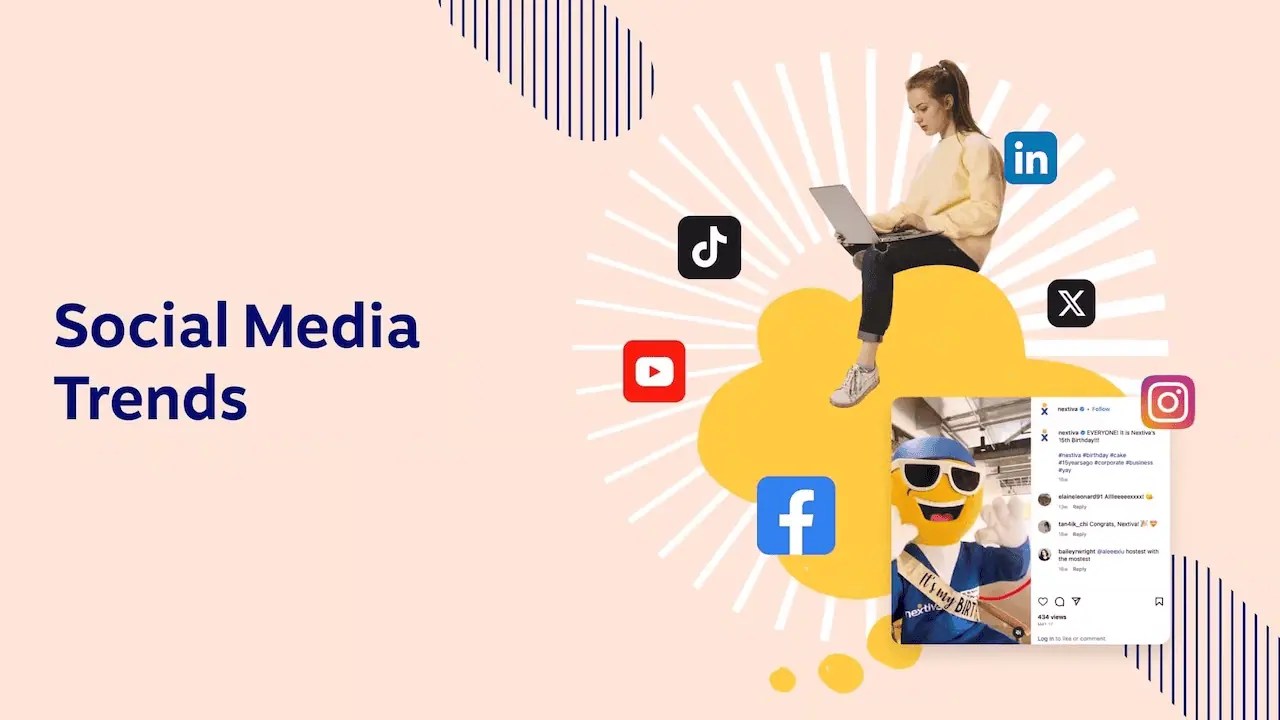
The Growing Connection Between Social Media and Online Shopping
In recent years, social media platforms have started offering more shopping features. Users can now explore products, check prices, and buy items without leaving the platform.
Platforms like Instagram, Facebook, and TikTok have introduced features such as product tags, shopping pages, and live shopping events.
These features make it easier for businesses to showcase their products and allow customers to shop in a simple and convenient way.
As a result, social media has become an important channel for driving online sales.

Short-Form Video Content Is Dominating
Short videos are currently one of the most popular forms of content on social media. People enjoy watching quick, engaging videos that deliver information or entertainment in a short time.
For e-commerce brands, short videos can be used to:
- Demonstrate how a product works
- Show product features
- Share styling ideas or usage tips
- Highlight customer experiences
Videos help customers understand products better and build more confidence before making a purchase.
Short-form video content is especially effective on platforms like Instagram Reels and TikTok.

User-Generated Content Is Building Trust
One of the most powerful trends in e-commerce marketing is user-generated content.
User-generated content refers to photos, videos, or reviews created by customers rather than the brand itself. For example, a customer might post a picture using a product and tag the brand.
This type of content is valuable because it feels authentic. People trust other customers more than traditional advertisements.
E-commerce brands often encourage user-generated content by:
- Reposting customer photos
- Sharing reviews or testimonials
- Creating branded hashtags
- Running contests or giveaways
When potential buyers see real people using a product, it increases trust and encourages them to try it as well.

Influencer Marketing Continues to Grow
Influencer marketing is another important trend for e-commerce brands.
Influencers are individuals who have built a loyal audience on social media. Their followers trust their opinions and recommendations.
When influencers promote products, it can help brands reach new audiences and build credibility.
However, many brands are now focusing on micro-influencers instead of celebrities. Micro-influencers may have smaller audiences, but their followers are often more engaged.
Working with influencers allows brands to showcase products in a more natural and relatable way.

Social Commerce Is Becoming More Popular
Social commerce refers to buying products directly through social media platforms.
Instead of visiting an external website, users can browse products and make purchases within the platform itself.
Platforms like Instagram and Facebook offer shopping features where brands can create product catalogs and tag items in their posts.
This reduces the number of steps required to make a purchase, making the shopping experience faster and easier for customers.
For e-commerce brands, this trend provides a new opportunity to increase sales.

Personalization Is Becoming More Important
Modern consumers expect personalized experiences when they interact with brands online.
Personalization means showing content or product recommendations that match a user’s interests or behavior.
For example, if a customer frequently searches for fitness products, social media ads may show them related items such as workout gear or health supplements.
Personalized content makes users feel that the brand understands their needs.
This improves engagement and increases the chances of a purchase.
Live Shopping Is Gaining Attention
Live shopping events are becoming increasingly popular on social media.
During a live session, brands can showcase their products, explain their features, and answer customer questions in real time.
This format combines entertainment with shopping, creating a more interactive experience for viewers.
Live shopping also creates a sense of urgency, especially when brands offer limited-time discounts or exclusive deals during the live event.
This trend is especially popular in industries such as fashion, beauty, and lifestyle products.

Authentic Content Is More Valuable Than Perfect Content
In the past, many brands focused on highly polished and professional-looking content. While quality is still important, audiences today prefer content that feels genuine and relatable.
Authentic content may include:
- Behind-the-scenes moments
- Real product demonstrations
- Honest brand stories
- Everyday customer experiences
People appreciate brands that show their human side instead of appearing overly promotional.
Authenticity helps brands build stronger emotional connections with their audience.
Community Building Is Becoming a Priority
Successful e-commerce brands are now focusing on building communities rather than simply selling products.
A community is a group of people who share similar interests and feel connected to the brand.
Brands can build communities by:
- Responding to comments and messages
- Encouraging conversations in posts
- Sharing customer stories
- Creating interactive content
When customers feel valued and connected, they are more likely to remain loyal to the brand and recommend it to others.

Data-Driven Marketing Is Shaping Strategies
Social media platforms provide valuable data about audience behavior and content performance.
E-commerce brands use this data to understand:
- Which posts receive the most engagement
- What type of content attracts customers
- When the audience is most active
By analyzing this information, brands can adjust their strategies to improve results.
Data-driven marketing allows businesses to make smarter decisions instead of relying on guesswork.

Conclusion
Social media marketing is constantly evolving, and e-commerce brands must stay updated with the latest trends to remain competitive.
From short-form videos and influencer collaborations to social commerce and personalized experiences, these trends are changing the way brands connect with customers online.
However, the most important factor remains the same: building genuine relationships with customers.
Brands that focus on providing value, creating engaging content, and understanding their audience will continue to grow in the ever-changing world of social media marketing.
For e-commerce businesses, social media is not just a marketing channel—it is a powerful platform for storytelling, customer connection, and long-term growth.