Digital Marketing: The Ultimate Guide to Growing Businesses in the Digital Age

In today’s fast-paced, technology-driven world, digital marketing has become an essential part of every successful business strategy. From small startups to multinational corporations, organizations are increasingly relying on digital platforms to connect with their audience, promote their products, and build long-term relationships with customers. Unlike traditional marketing methods, digital marketing allows businesses to reach the right people at the right time, with measurable results and cost-effective strategies.
What is Digital Marketing?
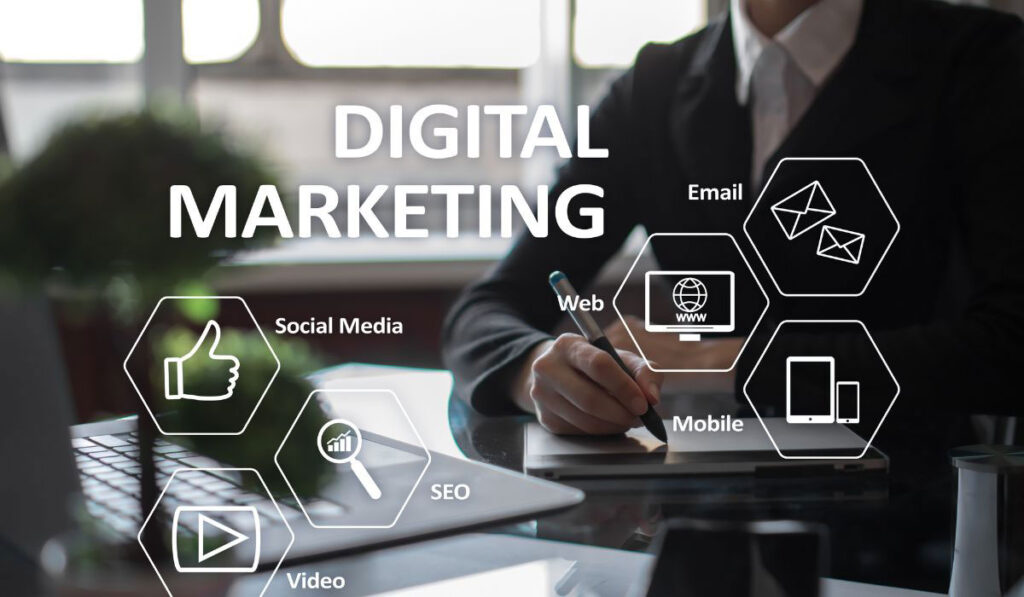
Digital marketing refers to the use of digital channels, platforms, and technologies to promote products, services, or brands to consumers. It includes all marketing efforts that use the internet or electronic devices such as computers, smartphones, and tablets. Digital marketing channels include websites, search engines, social media platforms, email, mobile apps, and online advertisements.
The main goal of digital marketing is not just promotion but engagement—creating meaningful interactions with customers, understanding their behavior, and delivering personalized experiences.
Importance of Digital Marketing
Digital marketing plays a crucial role in modern business growth for several reasons. First, it provides global reach. A business can promote its offerings to audiences across cities, countries, and even continents without physical presence. Second, digital marketing is cost-effective compared to traditional advertising methods like television or print media, making it accessible even for small businesses.
Another major advantage is measurability. Digital tools allow marketers to track performance in real time—such as website traffic, click-through rates, conversions, and customer engagement. This data helps businesses refine their strategies and maximize return on investment (ROI). Moreover, digital marketing enables two-way communication, allowing brands to directly interact with customers through comments, messages, and feedback.
Key Components of Digital Marketing
Search Engine Optimization (SEO)
SEO is the process of optimizing a website to rank higher on search engine results pages (SERPs) like Google. When users search for products or services, SEO helps businesses appear organically in front of potential customers. SEO involves keyword research, on-page optimization, technical improvements, and link building.
A well-optimized website increases visibility, builds credibility, and drives long-term traffic without paying for advertisements. SEO is considered the backbone of digital marketing because search engines are often the starting point of online journeys.
Content Marketing
Content marketing focuses on creating and sharing valuable, relevant, and consistent content to attract and retain a clearly defined audience. This content can include blogs, articles, videos, infographics, podcasts, e-books, and case studies.
Instead of directly selling, content marketing educates, informs, and entertains the audience, building trust and authority over time. High-quality content also supports SEO and social media marketing, making it a powerful long-term strategy.
Social Media Marketing
Social media marketing involves promoting brands and engaging with audiences on platforms like Instagram, Facebook, Twitter (X), LinkedIn, and YouTube. These platforms allow businesses to showcase their personality, connect with users, and build communities.
Social media marketing includes organic posts, paid advertisements, influencer collaborations, stories, reels, and live sessions. It is particularly effective for brand awareness, customer engagement, and driving website traffic.
Pay-Per-Click Advertising (PPC)
PPC is a paid digital advertising model where businesses pay a fee each time their ad is clicked. Platforms like Google Ads and social media ads use PPC campaigns to display advertisements to targeted audiences.
PPC offers instant visibility and is ideal for promoting new products, special offers, or time-sensitive campaigns. With proper targeting and budgeting, PPC can deliver quick and measurable results.
Email Marketing
Email marketing is one of the oldest yet most effective digital marketing strategies. It involves sending personalized emails to potential and existing customers to promote products, share updates, or nurture relationships.
Email marketing is cost-effective and highly customizable. With segmentation and automation, businesses can send tailored messages based on user behavior, preferences, and purchase history, leading to higher conversion rates.
Affiliate Marketing
Affiliate marketing is a performance-based strategy where businesses reward affiliates for driving traffic or sales through their referral links. Affiliates can be bloggers, influencers, or content creators who promote products in exchange for commissions.
This strategy expands brand reach and is beneficial for both businesses and affiliates, as payment is made only when results are achieved.
Influencer Marketing
Influencer marketing involves collaborating with individuals who have a strong online presence and loyal followers. These influencers promote products or services to their audience, helping brands build trust and credibility.
Influencer marketing is especially effective on platforms like Instagram and YouTube, where audiences value authentic recommendations over traditional advertisements.
Digital Marketing vs Traditional Marketing
Traditional marketing relies on offline methods such as newspapers, television, radio, hoardings, and pamphlets. While traditional marketing still holds value, it lacks precise targeting and measurable results.
Digital marketing, on the other hand, allows businesses to target specific demographics, interests, and behaviors. It provides real-time analytics, flexibility, and interactive communication. In today’s digital era, consumers spend more time online, making digital marketing more relevant and impactful.
Career Opportunities in Digital Marketing
Digital marketing offers vast career opportunities for students and professionals. Popular roles include SEO specialist, content writer, social media manager, digital marketing executive, PPC analyst, email marketer, and digital strategist.
With the rise of e-commerce, startups, and online businesses, the demand for skilled digital marketers is continuously growing. It is a dynamic field that encourages creativity, analytical thinking, and continuous learning.
Future of Digital Marketing
The future of digital marketing is driven by technology and innovation. Artificial intelligence (AI), machine learning, voice search, chatbots, and data analytics are shaping the way businesses interact with customers. Personalization, automation, and immersive experiences such as augmented reality (AR) and virtual reality (VR) will play a significant role in future marketing strategies.
As consumer behavior evolves, digital marketers must adapt to new platforms, trends, and technologies to stay competitive.
Conclusion
Digital marketing is no longer an option—it is a necessity for businesses in the modern world. It provides a powerful way to connect with audiences, build brand awareness, and drive business growth in a measurable and cost-effective manner. By leveraging various digital marketing channels and strategies, businesses can stay relevant, competitive, and customer-centric.
Whether you are a student, entrepreneur, or professional, understanding digital marketing opens doors to endless opportunities in the digital economy. As the digital landscape continues to evolve, those who master digital marketing will lead the future of communication and commerce.